
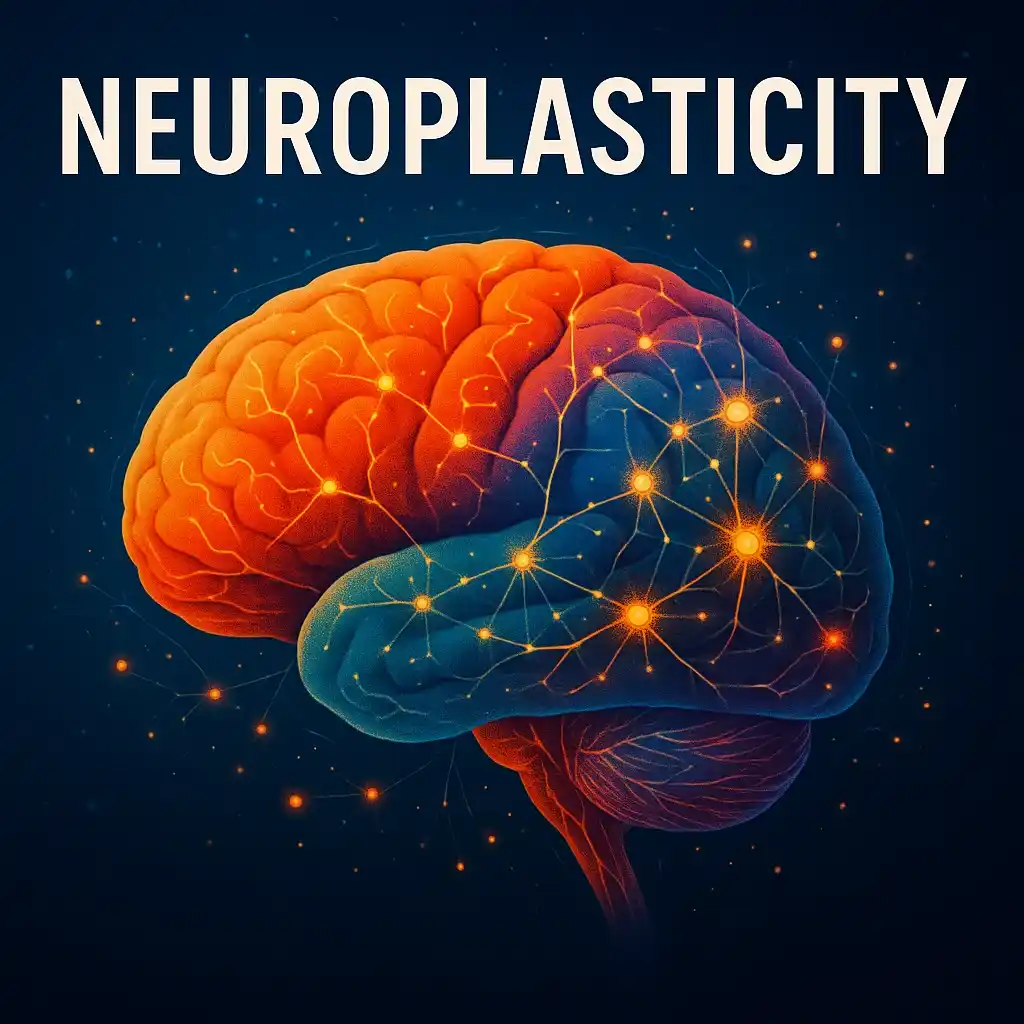
Introduction — Why Neuroplasticity Matters
Neuroplasticity, often referred to as the brain’s ability to reorganize itself, is one of the most fascinating discoveries in modern neuroscience. For decades, scientists believed that the adult brain was a fixed and rigid organ, incapable of forming new connections once development was complete. However, research over the last century has overturned that view, showing instead that the brain is remarkably dynamic, capable of adapting to new experiences, injuries, learning, and even lifestyle changes.
At its core, neuroplasticity refers to the brain’s ability to form new neural pathways, strengthen existing ones, or prune away those that are no longer useful. This process underlies everything from learning a new language to recovering from a stroke. For the everyday reader, it means that habits, skills, and even emotional responses are not permanently set in stone—they can be reshaped through intentional practice and environmental influences. This ability, often referred to as neural plasticity, highlights the brain’s remarkable adaptability.
The importance of neuroplasticity extends beyond education or rehabilitation. In mental health, for example, therapies such as cognitive-behavioral therapy (CBT) or mindfulness meditation work, in part, by rewiring neural circuits that regulate emotion and cognition. In medicine, stroke patients relearn how to walk or speak by training their brains to recruit alternative pathways. Even in daily life, small choices such as consistent physical exercise, high-quality sleep, and a stimulating environment can enhance neuroplasticity, leading to improved memory, creativity, and resilience.
This article explores the science of neuroplasticity in depth: its historical background, mechanisms, types, applications, limitations, and practical ways to harness it. By the end, you will understand not only what neuroplasticity is but also how to actively engage your brain’s ability to change—and why that may be the key to lifelong growth and mental well-being.
Definition & Historical Background of Neuroplasticity
The term neuroplasticity comes from the Greek word plastos, meaning “molded” or “formed.” It describes the brain’s capacity to reorganize itself by forming new connections between neurons. Although today the concept is widely accepted, historically the brain was thought to be a fixed organ once development ended in childhood. For much of the 19th and early 20th centuries, scientists believed that “you can’t teach an old dog new tricks” was literally true for the human brain.
“Scientists sometimes use the term neural plasticity interchangeably, although neuroplasticity is the more widely accepted term.”
This perspective began to shift in the mid-20th century. Canadian psychologist Donald Hebb (1949) introduced the influential idea that “neurons that fire together, wire together,” laying the foundation for synaptic plasticity. In the 1970s, researchers such as Terje Lømo and Timothy Bliss provided experimental proof of long-term potentiation (LTP), a process by which repeated stimulation strengthens synaptic connections. These findings offered concrete evidence that the brain could indeed change at the cellular level.
Technological advances in the late 20th and early 21st centuries further transformed our understanding. Neuroimaging techniques like functional MRI (fMRI) and diffusion tensor imaging (DTI) revealed that learning new skills or recovering from injury could physically alter brain structures. Famous studies, such as Eleanor Maguire’s research on London taxi drivers, showed that the hippocampus—critical for spatial memory—was larger in drivers who had mastered the city’s complex routes.
By the 2000s, neuroplasticity had become a cornerstone of neuroscience, extending into psychology, medicine, and education. Books like Norman Doidge’s The Brain That Changes Itself popularized the idea that the brain is not static but adaptable throughout life. Today, neuroplasticity is viewed not only as a biological reality but also as a source of hope: the ability to learn, recover, and grow is embedded in our very neural fabric
Mechanisms of Neuroplasticity
Neuroplasticity operates through several interconnected biological processes that occur at the molecular, cellular, and network levels. At the core of these mechanisms lies synaptic plasticity—the ability of synapses, the junctions between neurons, to strengthen or weaken over time. Long-term potentiation (LTP) enhances synaptic strength through repeated activation, while long-term depression (LTD) reduces it. These processes rely on changes in neurotransmitter receptors, particularly AMPA and NMDA receptors for glutamate, as well as calcium signaling that modifies the efficiency of communication between neurons.
Another key mechanism is structural plasticity, which involves physical changes in the brain’s architecture. Neurons can sprout new dendritic branches, alter the shape of dendritic spines, and even form or eliminate synapses. This structural remodeling allows neural circuits to reorganize in response to experience, learning, or injury. In specific brain regions such as the hippocampus, adult neurogenesis—the birth of new neurons—has also been observed, contributing to memory formation and cognitive flexibility.
Molecular factors further regulate these processes. Proteins such as brain-derived neurotrophic factor (BDNF) support the survival of neurons, promote synapse formation, and enhance learning-related plasticity. Other intracellular signaling pathways, like CREB (cAMP response element-binding protein) and mTOR, influence gene expression that consolidates long-term changes.
At a broader level, network reorganization occurs when large-scale brain regions adjust their patterns of connectivity. This can involve shifts in the balance of excitatory (glutamate) and inhibitory (GABA) signals, which together determine the overall responsiveness and adaptability of neural circuits.
In essence, neuroplasticity is not the product of a single process but the outcome of dynamic interactions across multiple biological systems. These mechanisms explain how the brain retains its extraordinary ability to adapt across the human lifespan.
Types of Neuroplasticity
Neuroplasticity is not a single, uniform phenomenon. Instead, it encompasses several distinct forms, each serving different functions in the brain’s ability to adapt and reorganize. The main types are structural plasticity and functional plasticity, with additional classifications that highlight specific contexts such as developmental or injury-related changes.
Structural plasticity refers to physical alterations in the brain’s anatomy. This includes the growth of new dendritic spines, the formation of synapses, and, in certain brain regions, the generation of new neurons through adult neurogenesis. Structural plasticity underlies long-term learning, memory storage, and skill acquisition by literally reshaping the architecture of neural circuits.
Functional plasticity, in contrast, involves the brain’s ability to redistribute or shift functions from one area to another. For example, if a person suffers damage to a region controlling language or movement, neighboring or even distant areas may adapt to take over those functions. This form of plasticity is particularly important in recovery after stroke or traumatic brain injury.
Another dimension is experience-dependent plasticity, which occurs throughout life as a result of learning, training, or environmental stimulation. Musicians, for instance, often develop expanded cortical areas related to motor control and auditory processing. Experience-expectant plasticity, on the other hand, happens during critical developmental windows—such as early childhood—when the brain requires specific inputs (like visual or language exposure) to develop properly.
Together, these types demonstrate that neuroplasticity is a highly versatile phenomenon. It not only enables learning and memory but also supports resilience and recovery in the face of challenges.
Factors Influencing Neuroplasticity
While neuroplasticity is a natural property of the brain, its effectiveness and extent are shaped by a variety of factors. Understanding these influences helps explain why some individuals adapt more quickly than others and why certain interventions succeed in enhancing brain function.
One of the most powerful drivers is age. During early development, the brain is exceptionally plastic, forming and pruning connections at a rapid pace. Although plasticity declines with age, it never disappears; adults and even older adults can continue to reshape their neural circuits through learning and experience.
Learning and practice also strongly influence neuroplastic changes. Repeated engagement in a skill—whether playing an instrument, learning a new language, or practicing mindfulness—reinforces neural pathways, strengthening efficiency and coordination. This is why consistency is critical: repetition consolidates changes into long-term networks.
Another important factor is environmental enrichment. Stimulating surroundings that include social interaction, intellectual challenges, and physical activity promote greater synaptic growth. Exercise, in particular, has been shown to increase levels of brain-derived neurotrophic factor (BDNF), a protein essential for synaptic strengthening and the survival of new neurons.
Conversely, stress and trauma can negatively impact neuroplasticity. Chronic stress elevates cortisol levels, which can shrink dendritic branches in areas such as the hippocampus, impairing memory and emotional regulation. However, resilience practices like meditation, adequate sleep, and balanced nutrition can counteract these effects and support healthy plastic changes.
Overall, neuroplasticity is not fixed—it is deeply shaped by lifestyle, environment, and mental engagement, offering individuals meaningful opportunities to optimize their brain health.
Neuroplasticity and Learning
Learning is perhaps the most striking demonstration of neuroplasticity in action. Every time we acquire a new skill, recall information, or adapt to changing circumstances, our brains undergo physical and functional changes. This dynamic process not only explains how humans accumulate knowledge but also why lifelong learning is essential for maintaining cognitive vitality.
When we engage in repeated practice, neural circuits involved in the task strengthen through a mechanism often summarized as “cells that fire together, wire together.” Synapses become more efficient, and communication between neurons accelerates, making recall and execution smoother over time. For example, a student learning a foreign language develops new connections in brain regions tied to memory, auditory processing, and speech production.
Learning also relies on long-term potentiation (LTP), a cellular process that enhances synaptic transmission after consistent stimulation. LTP serves as the biological foundation for forming lasting memories, ensuring that important information is stored and retrievable. Similarly, structural plasticity supports learning by allowing new dendritic branches and synapses to form, literally reshaping the brain’s architecture to accommodate knowledge.
Crucially, learning is not limited to academic contexts. Motor skills, social interactions, and even emotional regulation are shaped by neuroplastic mechanisms. This means that activities like playing a sport, practicing mindfulness, or developing empathy all contribute to rewiring the brain.
In short, neuroplasticity enables the brain to be a lifelong learner. By embracing continuous education and practice, individuals can keep their neural networks flexible, adaptive, and resilient well into old age.
Neuroplasticity and Recovery from Brain Injury
One of the most hopeful applications of neuroplasticity lies in its role in recovery after brain injury. Conditions such as stroke, traumatic brain injury (TBI), or localized damage often disrupt critical functions like movement, speech, or memory. For decades, it was believed that such impairments were permanent. However, research on neuroplasticity has shown that the brain can reorganize itself to compensate for lost or damaged functions, offering new avenues for rehabilitation.
This process often involves functional reorganization, where undamaged areas of the brain take over tasks previously handled by the injured region. For instance, patients who lose speech abilities after a stroke may gradually recover as other cortical areas adapt to process language. Similarly, motor recovery can occur when alternative pathways are strengthened to restore movement.
Rehabilitation strategies leverage this adaptability through targeted training and therapy. Physical therapy, occupational therapy, and speech-language therapy are designed to repeatedly stimulate affected neural networks, encouraging new pathways to form. The principle of “use it or lose it” is central here: consistent practice reinforces the circuits required for functional recovery.
Modern interventions, such as constraint-induced movement therapy (forcing patients to use the impaired limb) or non-invasive brain stimulation, further enhance plasticity. These methods amplify the brain’s natural ability to rewire itself, accelerating progress.
While outcomes vary depending on injury severity and individual factors, neuroplasticity offers a powerful message: recovery is not only possible but also grounded in the brain’s remarkable capacity to heal and adapt.
Applications in Therapy and Mental Health
Neuroplasticity is not limited to physical recovery—it plays a central role in mental health and therapeutic interventions. Many psychiatric and psychological conditions, including depression, anxiety, post-traumatic stress disorder (PTSD), and obsessive-compulsive disorder (OCD), are associated with maladaptive neural circuits. By harnessing the brain’s plasticity, therapies aim to rewire these circuits to support healthier thought patterns, emotional regulation, and behavior.
Cognitive-behavioral therapy (CBT) is a prime example. Through structured exercises and repeated practice, CBT helps patients form new connections in brain regions responsible for emotion regulation, decision-making, and executive function. Similarly, mindfulness meditation has been shown to increase cortical thickness in areas involved in attention and self-awareness, demonstrating tangible changes in brain structure.
Pharmacological interventions can also leverage neuroplasticity. Certain antidepressants, including selective serotonin reuptake inhibitors (SSRIs) and ketamine, promote synaptic growth and increase levels of brain-derived neurotrophic factor (BDNF), which enhances synaptic plasticity. Combining medication with behavioral therapy often yields stronger and faster results, as neural pathways are simultaneously strengthened both chemically and through experience.
Even non-invasive brain stimulation techniques, such as transcranial magnetic stimulation (TMS) and transcranial direct current stimulation (tDCS), are increasingly used to modulate neural activity in targeted regions, facilitating plastic changes that improve mood, cognition, and motor function.
In essence, understanding and utilizing neuroplasticity allows clinicians to design personalized interventions that not only alleviate symptoms but also promote long-term changes in brain function, empowering individuals to regain control over their mental and emotional well-being.
Challenges and Limitations
While neuroplasticity offers enormous potential for learning, recovery, and mental health, it is not without limitations. One of the main challenges is misinterpretation or overgeneralization of its capabilities. Popular media and commercial “brain training” programs often exaggerate results, claiming rapid increases in intelligence or guaranteed recovery from neurological conditions. In reality, neuroplastic changes require time, consistent practice, and targeted interventions.
Age and biological factors also influence plasticity. Although the adult brain retains the ability to adapt, its flexibility is generally lower than that of the developing brain. Factors such as genetics, hormone levels, and overall health can further affect the extent and speed of neural remodeling. This means that results of training or therapy may vary widely between individuals.
Another limitation is maladaptive plasticity, where the brain’s ability to reorganize leads to negative outcomes. Examples include chronic pain, phantom limb sensations, or reinforcement of addictive behaviors. In these cases, neuroplasticity may strengthen harmful circuits, highlighting that not all plastic changes are beneficial.
From a research perspective, measuring and monitoring neuroplasticity is challenging. While techniques like fMRI, DTI, and molecular biomarkers provide valuable insights, they cannot capture every subtle change, and causality between interventions and outcomes is often difficult to establish.
Ethical considerations also arise. Emerging interventions such as non-invasive brain stimulation or pharmacological enhancement carry risks and raise questions about access, safety, and long-term effects.
In summary, while neuroplasticity is a powerful tool for adaptation and growth, its potential must be approached realistically, with evidence-based strategies and careful consideration of individual and ethical factors.
Practical
Guide: How to Harness Neuroplasticity
Harnessing neuroplasticity in everyday life involves intentional strategies that stimulate the brain’s adaptive capacity. Recent research expands and deepens our understanding of effective approaches. Here are key evidence-based strategies, updated with the latest findings:
Targeted Learning and Practice:
Engaging consistently in challenging cognitive tasks—such as learning a new language, musical instrument, or complex skills—strengthens and reorganizes neural networks. Modern techniques like spaced repetition and interleaved practice enhance long-term memory consolidation by reinforcing synaptic plasticity and reducing cognitive fatigue. Emerging methods in adaptive learning platforms capitalize on personalized difficulty adjustments to optimize brain adaptation.
Physical Exercise:
Regular aerobic and resistance training consistently boost levels of Brain-Derived Neurotrophic Factor (BDNF), a crucial protein for synaptic growth, neurogenesis, and neural survival. A 2020 meta-analysis confirmed that even moderate-intensity exercise (e.g., brisk walking, cycling) improves cognitive flexibility, executive functions, and memory performance across age groups. Furthermore, high-intensity interval training (HIIT) shows promising effects on enhancing hippocampal volume and neuroplastic processes in older adults (Lin et al., 2020).
Mindfulness and Meditation:
Mindfulness-based interventions promote attention regulation, emotional control, and induce morphological changes in brain areas such as the prefrontal cortex, anterior cingulate cortex, and hippocampus (Tang et al., 2015). Novel neuroimaging studies highlight how long-term meditation enhances myelination and cortical thickness, correlating with improved cognitive reserve and stress resilience (Kral et al., 2021).
Adequate Sleep and Recovery:
Sleep plays a vital role in consolidating memories, clearing metabolic waste via the glymphatic system, and sustaining synaptic plasticity (Xie et al., 2013). Recent findings emphasize the importance of sleep architecture (deep NREM and REM sleep stages) in optimizing neuroplastic processes, with disruptions linked to cognitive decline and impaired learning capacity (Krause et al., 2017).
Nutrition:
Nutritional neuroscience underscores the role of diets rich in omega-3 fatty acids, antioxidants, polyphenols, and amino acids in supporting synaptic function and neurogenesis. Foods such as fatty fish (e.g., salmon), nuts, berries, leafy greens, and fermented products promote brain health (Gómez-Pinilla, 2008). Recent clinical trials indicate that Mediterranean and MIND diets reduce neuroinflammation and improve cognitive trajectories among aging populations (Morris et al., 2021).
Environmental Enrichment:
Exposure to novel and stimulating environments, rich social interactions, and mentally engaging activities (e.g., puzzles, reading, creative arts) potentiate adaptive plasticity within the brain. Lifelong social engagement is a protective factor against cognitive decline (Fratiglioni et al., 2020). For actionable recommendations, see Harvard Health’s updated guide on cognitive fitness.
Consistency and Patience:
Significant neuroplastic changes take time. Sustained, small steps—daily cognitive challenges, regular physical activity, mindful living—accumulate, producing long-lasting effects. Neuroscientists emphasize the importance of lifelong learning and adaptability to maintain optimal brain health well into older age.
Summary:
By integrating these strategies into daily routines, individuals equip themselves to actively shape their neural architecture. This dynamic process supports lifelong learning, emotional resilience, and overall cognitive well-being amidst the changing demands of life.
Conclusion
Neuroplasticity reveals that the human brain is a highly dynamic organ, capable of continuous adaptation and reorganization throughout life. From early childhood learning to adult skill acquisition, and crucially in recovery after brain injuries or neurological diseases, the brain’s remarkable capacity to change forms the biological foundation for growth, resilience, and healing. This understanding empowers individuals to actively harness their cognitive potential through informed lifestyle choices and interventions. “Whether called neuroplasticity or neural plasticity, the concept underscores the brain’s lifelong potential for growth and healing.”
Current practical applications of neuroplasticity are diverse and growing. Targeted learning and professional training, as detailed in our articles and insights, enhance synaptic strength, memory consolidation, and cognitive flexibility. Physical exercise, such as aerobic, resistance, and mind-body practices, facilitate neurotrophic support and structural brain changes. Mindfulness, meditation, and adequate restorative sleep promote functional and anatomical improvements in regions governing attention, emotion regulation, and memory. Nutritional strategies rich in omega-3s, antioxidants, and polyphenols—explored in depth by Gómez-Pinilla these changes by bolstering neuronal health. Environmental enrichment through social engagement and cognitive challenges further augments brain plasticity.
Exciting new research highlights the vital role of the gut-brain axis in modulating neuroplasticity. The gut microbiome influences brain function via microbial metabolites, neurotransmitter regulation, and immune modulation, opening novel therapeutic avenues such as probiotics, prebiotics, dietary adjustments, and microbiome engineering to enhance cognitive health (Dash et al., 2022). Such interventions hold promise for psychiatric and neurodegenerative disorders by promoting adaptive brain remodeling.
Neuroplasticity’s principles also underpin modern therapies in mental health care. Cognitive-behavioral therapy (CBT) and non-invasive brain stimulation harness brain adaptability to alleviate conditions like depression, anxiety, and PTSD. Integrating these therapeutic approaches with consistent lifestyle practices and patience fosters lasting and positive neural changes.
However, there are important limitations to recognize. Factors such as age-related decline, genetic predispositions, chronic stress, and severity of neurological injury influence the extent and direction of neuroplastic changes. Not all plasticity is beneficial: maladaptive neuroplasticity can contribute to chronic pain syndromes, addiction, and mood disorders, underscoring the necessity of evidence-based interventions guided by ongoing research.
In summary, neuroplasticity empowers humans to become active architects of their brain health across the lifespan. By understanding and applying its principles through tailored learning, healthful living, and therapeutic support, we can enhance cognitive performance, emotional resilience, and mental well-being. As neuroscience continues to evolve, neuroplasticity stands as a cornerstone for lifelong growth and brain vitality.
To deepen your knowledge and access practical strategies, visit our Science & Mind section for in-depth articles and the latest advances in neuroplasticity research.
- https://www.frontiersin.org/journals/microbiology/articles/10.3389/fmicb.2025.1629349/full
- https://www.frontiersin.org/journals/sports-and-active-living/articles/10.3389/fspor.2025.1593690/full
- https://www.sciencedirect.com/science/article/pii/S0006899325002021
- https://onlinelibrary.wiley.com/toc/6020/current
- https://www.headway.org.uk/about-headway/our-organisation/events-and-conferences/neuroplasticity-in-action-conference-2025/
- https://www.health.harvard.edu/mind-and-mood/tips-to-leverage-neuroplasticity-to-maintain-cognitive-fitness-as-you-age
- https://www.nature.com/subjects/synaptic-plasticity
- https://onlinelibrary.wiley.com/journal/6020