
Why Watching Horror Movies Like The Conjuring Can Be Good for You: A Scientific Perspective
Exploring the fascinating science behind horror movies and why fans—including myself and my child—love (D) watching them.
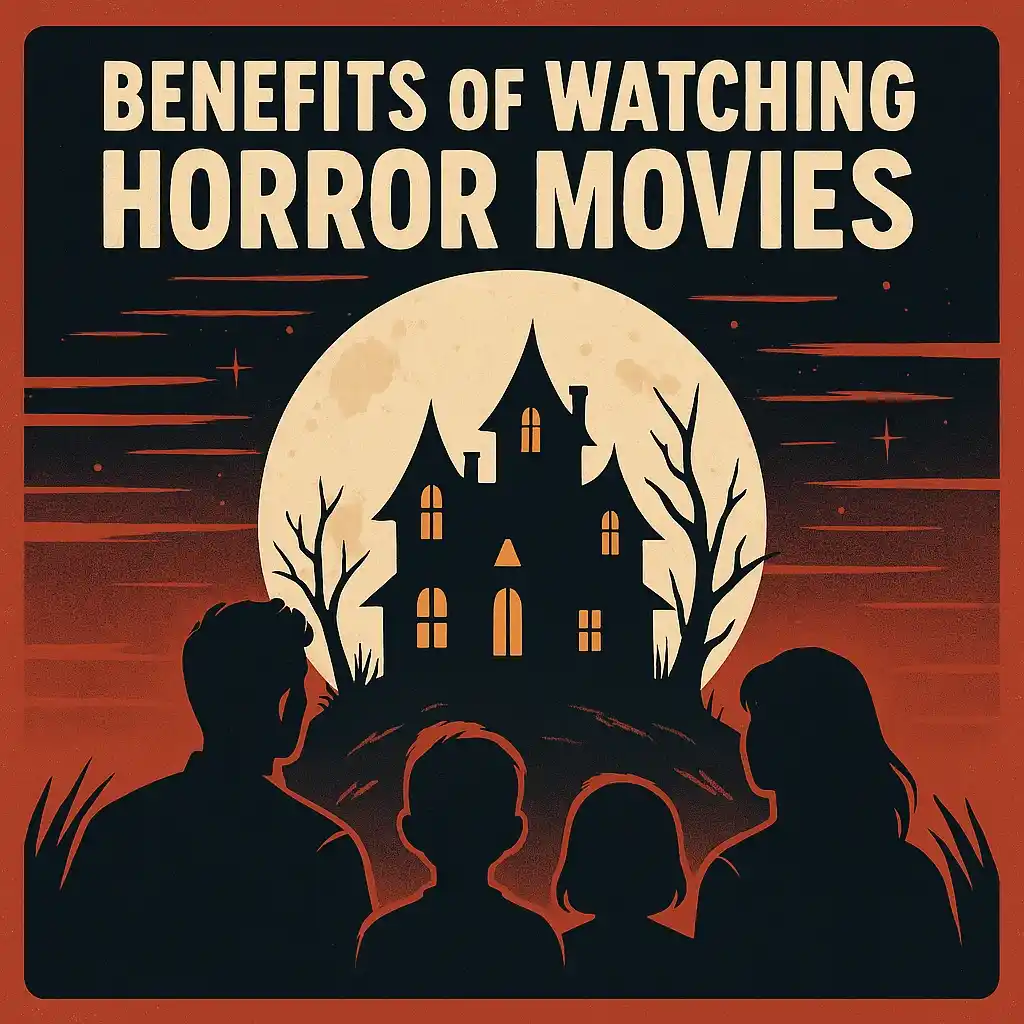
Benefits of Watching Horror Movies include surprising psychological and physical effects—beyond the immediate thrill, films like The Conjuring can boost resilience, sharpen attention, and strengthen social bonds.
Introduction
Both I and my child are devoted fans of horror movies, especially the Conjuring series and other titles inspired by real events. Whenever a new installment is released, it feels like a small celebration for us. With the latest chapter of The Conjuring now hitting theaters, I decided to dive deeper into this subject and explore not only why these movies captivate us but also what scientific evidence says about their impact on our mental and physical health.
At first glance, it might seem unusual to describe horror movies in a positive light. After all, they are designed to trigger fear, anxiety, and suspense. Yet millions of people, across cultures and generations, eagerly flock to theaters or stream these films at home. The big question is: why do we voluntarily expose ourselves to fear?
Modern psychology and neuroscience provide intriguing answers. Researchers suggest that horror movies offer a unique environment where fear is experienced in a safe and controlled way. This allows our brains and bodies to activate stress responses—like the release of adrenaline—without facing real danger (American Psychological Association).
Beyond entertainment, studies show that these experiences can improve mood, strengthen resilience, and even bring people closer together socially. Watching a horror movie may be frightening in the moment, but the aftermath often leaves viewers with a sense of relief, accomplishment, and shared excitement. For us, it has become a bonding ritual, reinforcing our relationship while also satisfying our curiosity about the mysteries of the unknown.
This article will explore the positive effects of horror movies like The Conjuring from multiple perspectives: psychology, neuroscience, physical health, and social connection. We will look at the science behind why people enjoy fear and how these films can contribute to well-being. For more insights into how emotions shape our lives, visit the Arcavon Home Page, where you’ll find resources on science, lifestyle, and mental resilience.
The Psychological Benefits of Watching Horror Movies
When people think about horror films, they often imagine jump scares, disturbing visuals, and sleepless nights. However, science tells a more nuanced story. Far from being harmful, watching horror movies can deliver surprising psychological benefits when experienced in moderation.
1. Stress Relief Through Controlled Fear
Horror movies trigger the body’s natural stress response, including increased heart rate and the release of adrenaline. But because viewers know they are safe, this controlled fear can actually function as a form of emotional release. After the movie ends, many people experience a sense of calm and even euphoria, similar to the relief that follows a rollercoaster ride (Scientific American).
2. Building Psychological Resilience
Repeated exposure to fear in a safe environment can train the brain to better manage stress. Research suggests that people who enjoy horror films tend to show greater resilience in real-life crises. This “stress inoculation” effect helps them regulate emotions and remain calmer under pressure (Frontiers in Psychology).
3. Strengthening Social Bonds
Watching horror movies with friends or family creates a shared emotional experience. Fear enhances empathy and trust, as people often comfort and support each other during scary moments. For me, watching The Conjuring series with my child has become a family tradition, reinforcing not just our love for cinema but also our emotional connection.
If you’d like to know more about who we are and the story behind Arcavon, feel free to visit the About Page. There, you’ll discover our vision and how personal experiences, like our shared passion for horror films, connect to broader themes of lifestyle, science, and well-being.
4. Safe Exploration of Fear and Curiosity
Humans are naturally drawn to the unknown and the mysterious. Horror movies allow us to explore these darker aspects of human nature without real danger. This safe confrontation with fear satisfies curiosity and encourages psychological growth.
In short, horror films are not just about scares—they are about learning, adapting, and bonding. With the new Conjuring installment now in theaters, millions of fans are once again engaging in this fascinating psychological exercise, often without realizing the positive effects it has on their minds.
The Positive Effects of Horror Movies on Mind and Body
While horror movies are designed to shock and terrify, the physiological and psychological responses they trigger can be surprisingly beneficial. By simulating danger in a safe environment, they allow our brains and bodies to practice stress regulation, emotional control, and even physical resilience.
1. Boosting Brain Chemistry and Mood
When viewers experience fear, their brains release a cocktail of neurotransmitters including dopamine, serotonin, and endorphins. These “feel-good chemicals” are the same ones associated with excitement, joy, and even the “runner’s high.” After the initial fright, people often report feeling energized and uplifted, with an improved mood lasting hours after the movie (PubMed).
2. Strengthening the Immune System
Research has shown that moderate, short-term stress responses—like those triggered by horror movies—can temporarily enhance immune function. Increased adrenaline and cortisol levels activate the immune system, preparing the body to fight off pathogens. While chronic stress is harmful, this “acute stress” can actually be beneficial in controlled doses (NIH).
3. Improving Focus and Attention
Horror movies demand attention: every sound, shadow, and plot twist can carry meaning. This heightened alertness stimulates the prefrontal cortex, sharpening cognitive skills like concentration and pattern recognition. Over time, this practice may enhance mental agility, much like solving puzzles or playing strategy games.
4. Cardiovascular Benefits
Spikes in heart rate and blood circulation during horror movies mimic the effects of light cardio exercise. A 90-minute movie can burn up to 150 calories—the same as a brisk walk—according to research from the University of Westminster (University of Westminster).
5. Emotional Catharsis and Anxiety Reduction
For many, horror movies provide a safe outlet for fear and anxiety. By experiencing “mock danger” on screen, the brain learns to separate real threats from imagined ones. This emotional release, or catharsis, helps viewers regulate their own fears, reducing overall anxiety levels in everyday life. In fact, some therapists use exposure to controlled fear as a technique for treating phobias and PTSD.
6. Strengthening Family and Social Connections
Sharing horror movies with loved ones creates moments of bonding and teamwork. Screams often lead to laughter, and shared experiences of fear strengthen trust and intimacy. Personally, watching The Conjuring with my child has not only been entertaining but also deeply connecting, reminding us of the power of shared storytelling.
Conclusion
Far from being “just scary entertainment,” horror films activate complex mind-body systems that can enhance well-being. From mood-boosting neurotransmitters to cardiovascular benefits, and from stronger focus to deeper family bonds, the positive impacts are clear. By enjoying films like The Conjuring in moderation, fans can experience both thrill and growth—proving that even fear can be good for us when harnessed wisely.
Scientific Reflections and Final Thoughts
Horror movies, particularly franchises such as The Conjuring, are more than mere entertainment—they are a psychological, physiological, and social phenomenon. Modern research underscores that the controlled experience of fear can strengthen resilience, sharpen cognitive function, and provide safe exposure to emotions that are often avoided in daily life. Far from being harmful, these films—when consumed in moderation—can enrich mental flexibility and promote emotional regulation.
Scientific Evidence on Horror and Human Psychology
Recent studies highlight that controlled fear exposure activates the amygdala and prefrontal cortex, regions of the brain responsible for emotional learning and decision-making. This stimulation, similar to stress inoculation, helps individuals adapt to uncertainty and enhances coping mechanisms (Frontiers in Psychology, 2020). Furthermore, research from Aarhus University demonstrated that watching scary films can increase immune responses by simulating “fight-or-flight” reactions in a safe context, which may partially explain why audiences report feeling “recharged” after horror experiences (ScienceDirect, 2020).
Balance and Healthy Engagement
While the benefits are evident, balance is crucial. Overexposure to horror films may contribute to sleep disturbances or heightened anxiety in vulnerable individuals. Experts recommend pairing horror viewing with mindfulness or social connection, ensuring the experience remains both thrilling and restorative. In this way, horror can be a tool for growth rather than distress.
Practical Takeaways
- Enjoy horror movies as a controlled stress exercise, but avoid binge-watching that may overwhelm the nervous system.
- Watch with family or friends to benefit from the bonding effects of shared fear.
- Reflect afterward, using the story as a platform for discussing real-life challenges, resilience, or morality.
Invitation to Explore Further
At Arcavon, we explore how science, psychology, and lifestyle intersect to shape modern well-being. For related content, visit our Topics Hub or read more reflective analyses in the Articles section. To understand our mission and approach more deeply, check out the About page, where we share our vision of blending scientific insights with everyday life.
Final Conclusion
Horror movies—especially reality-based narratives like The Conjuring—illustrate how fear, when approached consciously, can be a surprising ally for human growth. They sharpen the mind, strengthen the body, deepen social connections, and reflect cultural values. By approaching the horror movies with curiosity and balance, viewers unlock not just chills and thrills, but also lessons in resilience, empathy, and the science of emotion.
Social Benefits of Watching Horror Movies in Groups
Beyond their personal psychological and physical impacts, horror films carry powerful social significance. They are not only a form of entertainment but also a cultural phenomenon that brings people together, fosters empathy, and reflects societal concerns. From family living rooms to crowded cinemas, horror movies create shared experiences that resonate across communities.
1. Strengthening Bonds Through Shared Fear
Fear is a deeply social emotion. When people experience frightening moments together—whether in a movie theater or at home—their brains synchronize emotional responses. This shared vulnerability builds trust and intimacy, enhancing group cohesion. Studies suggest that collective fear responses increase oxytocin, the hormone of bonding, fostering stronger interpersonal connections (Psychology Today).
2. Creating Cultural Rituals and Traditions
From Halloween marathons to late-night horror screenings, watching scary movies has become a cultural ritual. These traditions offer opportunities for families and friends to come together, reinforcing group identity and shared narratives. In many cultures, horror reflects collective myths, legends, and spiritual beliefs, providing a symbolic language to process the unknown and the taboo.
3. Encouraging Dialogue About Real-World Fears
Horror movies often mirror the anxieties of the era in which they are created, whether about disease, war, or societal change. By dramatizing fears in a fictional context, these films provide safe spaces for audiences to confront and discuss real-world concerns. For example, films like The Conjuring highlight the tension between faith, science, and the supernatural, sparking discussions on belief systems and cultural values.
4. Enhancing Group Resilience
Experiencing fear together can enhance a community’s resilience to stress. Much like fire drills or survival training, horror films simulate danger in safe settings. This allows groups to practice collective coping mechanisms, such as laughing together after a jump scare, which translates into stronger teamwork and emotional support outside of the theater.
5. Bridging Generations Through Storytelling
Parents and children who watch horror films together often find common ground in shared narratives of courage, survival, and morality. Personally, as a fan of The Conjuring series watching alongside my child, I’ve experienced how these stories become intergenerational dialogues, fostering empathy and continuity across age groups. In this sense, horror movies act as modern myths that bind families and communities.
Conclusion
The social effects of horror movies extend far beyond entertainment. They unite families, foster cultural rituals, encourage meaningful dialogue, and strengthen collective resilience. By engaging with fear together, audiences transform isolation into connection, proving that even the darkest stories can illuminate the importance of community.