
Introduction to the Gut-Brain Axis and Mental Health
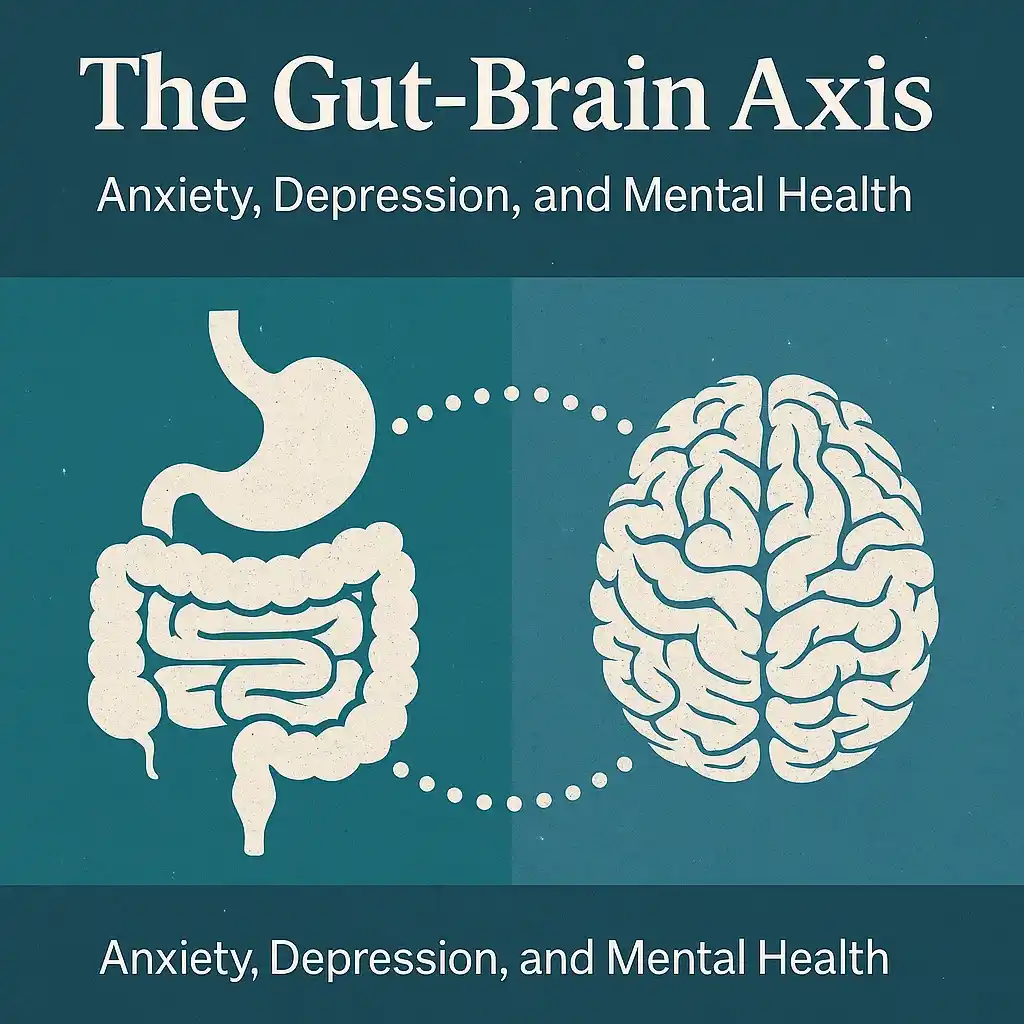
The connection between the gut and the brain, widely known as the
gut-brain axis (GBA), has become one of the most fascinating areas of modern neuroscience and psychiatry.
This complex, bidirectional system of communication involves neural, hormonal, immune, and metabolic pathways that continuously send signals between the digestive tract and the central nervous system.
Although scientists have speculated about this connection for centuries—dating back to Hippocrates, who declared “all disease begins in the gut”—it is only in the last two decades that we have gained concrete evidence of how profoundly gut health influences mental well-being.
One of the most striking discoveries is that about 90% of serotonin—the “happiness neurotransmitter”—is actually produced in the digestive system, not in the brain.
This has fueled a growing body of research showing that disturbances in gut function can manifest as mood disorders such as anxiety and depression.
In fact, the gut microbiome, the diverse ecosystem of trillions of microorganisms residing in our intestines, has been described as a “second brain.”
It doesn’t just help digest food; it actively shapes brain chemistry, emotional resilience, and cognitive performance.
This article explores the science behind the gut-brain axis, highlights cutting-edge studies on its role in anxiety and depression, and provides practical strategies—through diet and lifestyle—for improving both digestive and mental health.
Understanding the gut-brain axis and mental health is not only an exciting frontier in medicine but also a practical guide for enhancing well-being in everyday life.
The Microbiome’s Role in Anxiety, Depression, and Cognitive Function
Numerous clinical and experimental studies now confirm that the gut microbiota is a critical factor in regulating mood and emotional health.
When the gut community is balanced and diverse, it supports positive emotional states.
When disrupted—a condition called dysbiosis—the risk of mental health disorders rises significantly.
For example, certain bacterial strains, such as Lactobacillus and Bifidobacterium, produce neurotransmitters like GABA (gamma-aminobutyric acid) and serotonin, which directly regulate mood.
When these bacteria decline, the brain may receive fewer “calming” signals, leading to heightened stress responses and anxiety symptoms.
On the other hand, pathogenic or imbalanced bacteria can increase inflammation, which is strongly linked to depressive states.
Human studies reveal that patients with depression and generalized anxiety disorder often show reduced microbial diversity and specific microbial shifts compared to healthy individuals.
In one trial, individuals who consumed a probiotic supplement experienced not only improved digestive comfort but also measurable decreases in anxiety scores.
Gut and Stress Response
The gut microbiota also shapes how we react to stress.
Animal studies show that “germ-free” mice—raised without gut bacteria—display exaggerated responses to stress hormones.
When their microbiota is restored, their stress responses normalize, highlighting the essential role of microbes in moderating resilience.
Gut and Cognitive Function
Emerging research further links gut health to memory, learning, and concentration.
SCFAs (short-chain fatty acids) produced by gut bacteria provide energy to brain cells and help maintain the blood-brain barrier, which is crucial for cognitive stability.
This suggests that a healthy microbiome not only protects against anxiety and depression but may also enhance focus and creativity.
Scientific Mechanisms of the Gut-Brain Axis
The gut-brain axis operates through multiple overlapping pathways. Understanding these helps explain why mental health cannot be separated from gut health.
- Neurotransmitter Production: The gut produces the majority of serotonin and significant amounts of dopamine and GABA. These chemicals directly impact mood regulation and emotional stability.
- Immune System Regulation: Dysbiosis triggers chronic inflammation, releasing cytokines that can disrupt brain signaling and contribute to depressive symptoms.
- Vagus Nerve Signaling: The vagus nerve serves as a communication superhighway between the gut and brain, transmitting “real-time” data about gut conditions that influence stress and emotional processing.
- Hypothalamic-Pituitary-Adrenal (HPA) Axis: The HPA axis, our central stress-response system, becomes overactive when the gut microbiome is imbalanced, resulting in elevated cortisol levels associated with anxiety.
- Epigenetic Regulation: Gut microbes can activate or silence certain genes related to stress resilience and mood regulation through metabolites that influence gene expression.
Gut-Friendly Nutrition and Lifestyle for Mental Health
Because of this deep connection, improving gut health can be a practical and powerful way to support mental well-being.
Below are science-backed recommendations.
Nutrition Strategies
- Prebiotics and Fiber: Onions, garlic, leeks, asparagus, bananas, and whole grains provide nourishment for beneficial bacteria.
- Probiotics: Yogurt, kefir, kimchi, sauerkraut, and miso deliver live bacteria that can rebalance the gut microbiome. Clinical trials show probiotics may reduce depressive symptoms.
- Omega-3 Fatty Acids: Found in salmon, sardines, chia seeds, and flaxseeds, omega-3s lower inflammation and improve neurotransmitter function.
- Polyphenol-Rich Foods: Dark chocolate, green tea, and berries not only feed gut bacteria but also protect against oxidative stress in the brain.
- Limit Ultra-Processed Foods: Diets high in refined sugar and artificial additives destabilize microbiota and increase inflammatory markers associated with mood disorders.
Lifestyle Practices
-
- Mindfulness and Stress Management: Meditation, yoga, and breathing exercises restore balance to the HPA axis and protect the gut lining from stress-related damage.
- Exercise: Regular movement encourages microbial diversity and supports neurotransmitter release such as endorphins and serotonin.
- Sleep Hygiene: Consistent sleep cycles promote microbiota stability and enhance mood regulation.
For more practical lifestyle strategies, explore our Articles Hub filled with science-based guides.
Psychobiotics and Supplements
The emerging field of psychobiotics investigates specific bacterial strains with proven benefits for mental health.
For example, Lactobacillus rhamnosus has been shown to reduce anxiety-like behavior, while Bifidobacterium longum supports stress resilience.
Though still under study, these targeted probiotics may one day become part of mainstream psychiatric care.
Case Study: Gut Health in Everyday Life
Consider the case of a 35-year-old professional experiencing chronic stress, poor sleep, and mild anxiety.
After incorporating probiotic yogurt, increasing fiber intake, and practicing daily mindfulness meditation, not only did digestive symptoms improve, but within three months, mood stability and energy levels significantly increased.
This case mirrors findings in clinical studies, showing how relatively small lifestyle changes can yield meaningful improvements in gut-brain axis and mental health.
The Future of Gut-Brain Research
The study of the gut-brain axis is still in its infancy, but exciting new therapies are on the horizon.
Personalized nutrition plans based on microbiome testing are being developed to tailor diets for mental health.
Fecal microbiota transplantation (FMT) is being tested for severe depression with promising results.
Artificial intelligence is being used to map microbial “fingerprints” associated with resilience to stress.
The next decade may see mental health treatment revolutionized by microbiome-based medicine.
Practical Daily Routine for Gut and Mind Health
For readers eager to take immediate steps, here is a simple daily plan designed to support both digestive and mental well-being:
- Morning: Begin with a fiber-rich breakfast such as oatmeal with berries and flaxseed. Take 10 minutes for deep breathing or meditation.
- Midday: Enjoy a probiotic-rich lunch like a salad with sauerkraut or miso soup. Take a short walk to stimulate digestion and reduce stress.
- Afternoon: Have green tea or dark chocolate for polyphenols. Practice mindful awareness during work breaks.
- Evening: Opt for omega-3 rich dinner (salmon, quinoa, and vegetables). Limit screen exposure to prepare for sleep.
- Night: Prioritize 7–9 hours of restful sleep to stabilize both gut microbiota and mood regulation.
Conclusion: Nurturing the Gut-Brain Connection
The gut-brain axis and mental health are inseparable.
Modern science confirms that gut microbes produce neurotransmitters, regulate inflammation, and communicate with the brain in ways that directly affect mood, stress resilience, and cognitive clarity.
By cultivating gut health—through nutrition, exercise, stress management, and restorative sleep—individuals can take meaningful steps toward emotional balance and psychological resilience.
This exciting field continues to evolve, promising new treatments that integrate digestive and mental care.
But even today, simple lifestyle choices can transform both how we feel in our gut and how we think in our minds.
Indeed, by caring for the “second brain” in our gut, we nourish the first one in our head.
If you enjoyed this topic, you may also like our insights in the Science & Mind section, where we explore the latest research on mental health and wellness.